How to Practice Spanish Pronunciation Correctly
Simple techniques to train your ears and mouth to sound natural. Most people skip this step and regret it later.

Why Pronunciation Matters More Than You Think
Here’s the thing — you can memorize every vocabulary word and master grammar rules, but if you can’t pronounce words correctly, conversations fall apart. Native speakers struggle to understand you. Your confidence takes a hit. It’s frustrating.
But here’s the good news. Pronunciation isn’t something you’re born with or without. It’s a skill you develop. And we’re going to show you exactly how to do it without spending hours in a language lab.
Most learners neglect pronunciation because it feels awkward at first. You’re making sounds you’ve never made before. Your mouth feels weird. But that initial discomfort goes away fast — usually within 2-3 weeks of consistent practice.

The Four Core Techniques That Work
These aren’t theoretical. Real Spanish learners use these methods to improve their accent within weeks.
Active Listening (30 min/day)
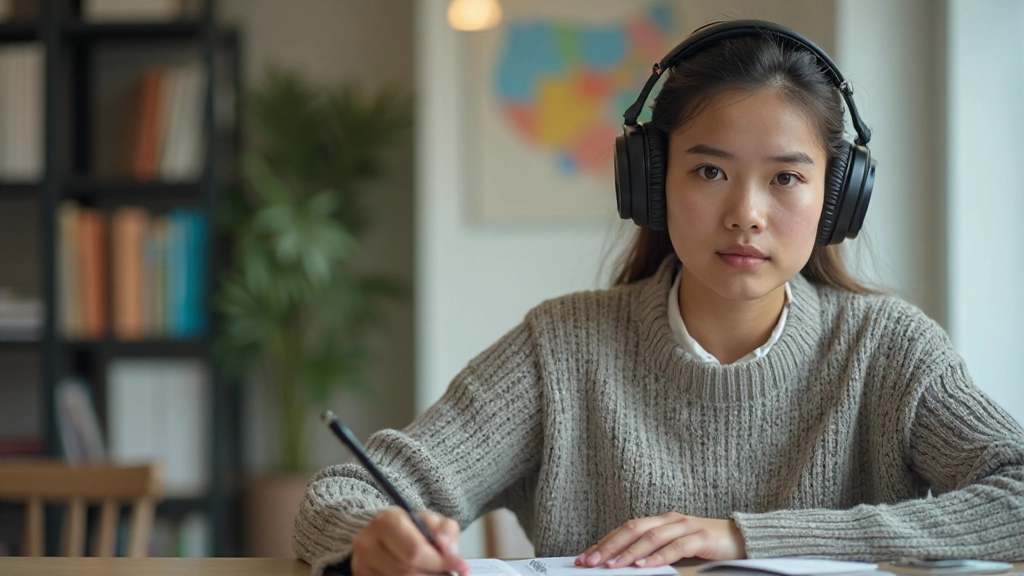
Don’t just listen passively. Slow down native Spanish audio to 0.75x speed using apps like YouTube or Audible. Listen to one sentence. Pause. Repeat it back exactly as you heard it — matching the rhythm, intonation, and stress. Do this for 15-20 sentences daily. Your brain learns patterns this way.
Shadow Speaking (15 min/day)
Play Spanish audio and speak simultaneously, like you’re shadowing the speaker. Don’t worry about understanding every word. Focus on mimicking the mouth movements, the speed, the emotional tone. This builds muscle memory in your mouth. It feels strange initially. That’s normal.
Vowel Mastery (10 min/day)
Spanish has only 5 vowels. A (ah), E (eh), I (ee), O (oh), U (oo). They’re consistent — always the same sound. Spend time saying each one correctly. Say “casa” (house), “peso” (weight), “iglesia” (church), “oro” (gold), “último” (last). Repeat 10 times each. Vowels are your foundation.
Recording & Comparison (10 min/day)
Record yourself speaking Spanish. Then play it next to a native speaker’s version. Listen for differences. Where does your accent slip? Is your “R” too American? Is your “LL” sound off? Most phones have built-in recording apps. This self-awareness accelerates improvement.
A Practical Week: Your Starting Point
You don’t need to do all four techniques simultaneously. Start with one. Build consistency. Then add another.
Here’s what week one looks like:
- Monday-Friday: 30 minutes active listening. Choose one Spanish podcast (like “News in Slow Spanish”). Slow it down. Repeat sentences.
- Saturday: Add 15 minutes shadow speaking. Pick a 5-minute YouTube video in Spanish. Speak along.
- Sunday: Spend 20 minutes on vowels. Say each vowel in isolation. Then use them in words. Record yourself.
That’s 65 minutes total in week one. By week four, you’re spending about 2 hours per week. Not overwhelming. Very manageable.
The Sounds That Trip Everyone Up
English speakers struggle with three Spanish sounds specifically.
The Rolled R (Rr)
This one takes practice. Your tongue vibrates rapidly against the roof of your mouth. Say “butter” in English — that single “t” sound is close. Now make that sound last longer with your tongue vibrating. That’s your rolled R. Examples: “pero” (but), “carro” (car). Not everyone masters this immediately. That’s okay. Focus on clear pronunciation first, perfection later.
The LL Sound
In most Spanish-speaking regions, “LL” sounds like “Y” in “yes.” So “llama” (llama) sounds like “yama.” “Calle” (street) sounds like “caye.” Practice: “lleno” (full), “lluvia” (rain). Say them with that Y sound and you’re good.
The J and G Sounds
Spanish J makes a guttural sound from your throat — like you’re clearing your throat gently. “Jota” (letter J), “jirafa” (giraffe). And G before E or I makes the same sound. “Gente” (people), “gitano” (gypsy). Before A, O, U? Regular G sound like in English.
Tools That Actually Help
You don’t need expensive software. These free and affordable options work.
YouTube (Free)
Search “Spanish pronunciation guide” or “slow Spanish audio.” Channels like “Easy Spanish” and “Spanish with Paul” break down individual sounds. Watch, pause, repeat. Simple and effective.
Forvo (Free)
A pronunciation dictionary. Type any Spanish word. Hear native speakers say it. Usually multiple pronunciations. Perfect for checking if you’re saying something correctly.
Google Translate (Free)
Type a Spanish word or phrase. Click the speaker icon. You’ll hear native pronunciation. Not perfect for complex sentences, but excellent for individual words.
Speechling (Free + Paid)
Record yourself speaking Spanish phrases. Native speakers provide feedback on your pronunciation. The free version gives you limited feedback. The paid version ($10/month) offers unlimited reviews.
Audible or Scribd (Subscription)
Listen to Spanish audiobooks. You’ll hear natural speech patterns, speed variations, and real pronunciation. Start with children’s books or beginner materials. Not just for pronunciation, but excellent for ear training.
Tracking Your Progress
You won’t sound like a native in a month. But you’ll notice improvements within 3-4 weeks if you’re consistent.
Your ear starts picking up differences. You notice when you say something incorrectly. This is huge progress.
Your mouth feels more comfortable making Spanish sounds. Vowels feel natural. You’re less self-conscious.
Native speakers start understanding you more easily. Conversations flow better. Your accent is noticeably less American/English.
You’re genuinely understood in conversations. Your accent is still there, but it’s not a barrier. People don’t struggle to understand you.
Start Today, See Results in Weeks
You’ve got everything you need. Four techniques. A realistic schedule. Specific problem areas explained. Free tools to get started.
Pick one technique today. Spend 30 minutes on it. Tomorrow, do it again. By next week, you’ll have momentum. By next month, you’ll have results.
Don’t overthink it. Pronunciation is a skill. Skills improve with repetition. You’ve got this.
Ready to Improve Your Spanish?
Check out our other guides on building vocabulary and having real conversations. Each one builds on the other.
Explore More GuidesAbout This Guide
This article provides educational information about Spanish pronunciation techniques. Everyone’s learning pace is different. Some techniques work better for certain people than others. The timelines mentioned (2-3 weeks, 4 weeks, etc.) are approximate based on consistent daily practice. Results vary by individual, native language background, and dedication to practice. This is informational content designed to help you understand pronunciation fundamentals — not a substitute for professional language instruction or tutoring.
Continue Learning
50 Travel Phrases Every Beginner Should Know
The essential words and phrases you’ll need at restaurants, hotels, and while exploring Spanish-speaking countries.
Read Guide
Building Your First Vocabulary Set in 4 Weeks
Structured approach to learning foundational Spanish vocabulary through proven memory techniques and daily practice.
Read Guide
Conversation Starters: Real Interactions You’ll Have
Master the conversations that actually happen — ordering food, asking directions, meeting people, and handling everyday situations.
Read Guide